Building Artificial Roofing for Homes Battling Ice, Rain, and Heat
A roofing system has a simple job on paper and a penalizing one in reality. It needs to lose difficult rain without leaking, hold up under freeze-thaw cycles, resist sun damages through hot summertimes, and still look proportionate on the home below it. In regions where winter months ice, springtime storms, and summer season warm all take turns examining the structure envelope, roof product selection quits being a style exercise and comes to be a long-term efficiency decision.
That is where building synthetic roof covering earns attention. House owners often first encounter it while contrasting cedar shake, slate, asphalt, or clay choices. They might be pulled in by look, yet the actual worth has a tendency to appear in the years after setup, when the roofing maintains doing its work via weather extremes with less dramatization, reduced structural need, and fewer upkeep migraines than several conventional materials.
I have actually seen this conversation play out most often on higher-end remodels and custom homes, particularly in climates that require much more from the roof covering than a typical builder-grade system can conveniently provide. A lovely roofing system that fractures under hailstorm, takes in water, or overloads an aging frame is not a costs choice, despite just how outstanding it looked on installation day. Costs synthetic roof functions best when it is chosen with clear eyes, mounted thoroughly, and matched to the style and neighborhood climate profile.
Why artificial roofing has actually moved into the architectural category
Synthetic roofs were once dealt with as a substitute product, something house owners picked when they wanted the appearance of slate or shake without the price of the actual product. That framing no longer catches the category well. The far better products out there today are not just replicas. They are engineered roof covering assemblies designed to fix performance problems that conventional materials have never ever completely overcome.
Architectural artificial roof commonly uses innovative polymers, composite blends, or recycled engineered materials formed into profiles that simulate hand-split cedar, quarried slate, or tile. The manufacturing consistency matters. All-natural products vary, often magnificently, occasionally unexpectedly. Artificial roof tiles can deliver regulated density, repeatable fit, and effect resistance that would certainly be tough to anticipate from wood or stone.
That does not mean every synthetic product is worthy of the very same online reputation. There is a broad spread in quality. Some lower-cost products look level, feel fragile, or age improperly under UV direct exposure. Better property artificial roof covering items have a tendency to show their high quality in 4 locations: dimensional realistic look, securing design, weather rankings, and long-lasting shade stability. A sample board under display room lights hardly ever informs the entire tale. You need to ask just how the item behaves after 7 or 10 summers, not simply how it views day one.
The climate trouble: ice, rainfall, and warm do not stop working roofing systems the exact same way
A home in a severe https://charlieogix085.pinehavenscope.com/posts/just-how-building-synthetic-roof-covering-resists-freeze-thaw-damage-in-midwest-residences blended environment asks a lot from its roof covering since the anxiety is not coming from one resource. Ice manipulates water drainage imperfections. Wind-driven rainfall finds little installment errors. Warm chefs lower-grade materials from above while attic room temperature levels press from below. Each pressure strikes a various weakness.
In winter months, the persisting trouble is not just snow load. It is the freeze-thaw cycle and what happens when meltwater refreezes at eaves or in shaded valleys. Ice dam problems can back water under revealed roof surfaces, particularly where flashing, underlayment, air flow, and insulation are not collaborating. Artificial roofing systems can assist because several products lost water effectively, withstand wetness absorption, and keep integrity via temperature level swings. Still, no top-surface material alone repairs a negative roofing setting up. The underlayment and ventilation plan stay essential.
Heavy rain creates a different examination. I have evaluated roof coverings after spring storm occasions where the area of the roofing system looked fine, however changes around smokeshafts, sidewalls, skylights, and dormers told the actual story. This is one factor a knowledgeable artificial roofing contractor matters as much as the item itself. A costs system set up casually becomes an expensive frustration. A well-detailed system, by contrast, can manage rainfall events that subject weak work almost immediately.
Then there is heat. On warm roofings, especially dark ones with very little color, maintained thermal expansion endures parts gradually. Substandard products can crinkle, fade, dry out, or end up being a lot more weak. Better artificial roof covering shingles are crafted for UV resistance and thermal movement. That matters in late July when roofing surface temperature levels skyrocket far over the air temperature and every joint, bolt, and blinking edge is broadening under stress.
Weight changes everything more than most property owners realize
One of the greatest practical benefits of artificial roof covering for luxury homes and older houses alike is weight. Real slate and clay floor tile can be spectacular materials, however they position considerable needs on the structure. If a home was not initially framed for that load, installation might call for costly reinforcement. Even on homes that can support the weight, extra dead load impacts lasting architectural stress.
Architectural synthetic roof offers a means to accomplish a premium account without lugging the very same architectural concern. That opens up alternatives in roof covering replacement jobs where the house owner wants the look of quarried slate or cedar shake however does not want to rebuild rafters, reinforce outdoor decking, or accept the greater threat of breakage during future service job. On several tear-offs old cedar roofing systems, property owners started the process assuming they would require to select between the elegance of actual wood and the functionality of asphalt. Costs synthetic roof usually ended up being the 3rd course, a product that protected the visual character they wanted while decreasing upkeep demands.
This weight advantage is especially significant on intricate rooflines. Turrets, eyebrow dormers, high gables, converging valleys, and decorative ridge information all increase labor and raise the relevance of manageable material handling. Artificial elements are normally much easier to phase, cut, and location than all-natural stone or ceramic tile, which helps quality control when staffs are servicing complex locations high above grade.
Performance is not almost making it through storms
When homeowners purchase roof, they usually concentrate on the remarkable failings. Leaks. Blow-offs. Hailstorm damage. Those matter, obviously, yet day-to-day efficiency deserves equal attention. A roofing system should continue to be secure, preserve look, allow reliable repairs if ever required, and sustain the home's broader wetness monitoring strategy.
The much better artificial roof are designed to resist cracking, splitting, rot, insect damages, and wetness absorption. That mix matters more than it may appear. Cedar can weather magnificently, however it also needs recurring upkeep and can suffer in persistently damp conditions. All-natural slate has extraordinary long life, yet it is heavy, costly, and can be susceptible to damage from foot web traffic or specific effects. Asphalt continues to be cost-effective and acquainted, yet numerous asphalt products do not provide the very same building visibility or life-span assumptions that owners of premium homes are seeking.
Synthetic roof coverings sit in a beneficial middle ground. They are usually picked by home owners that appreciate both aesthetic appeals and possession experience. They desire a roof that belongs on the house aesthetically, yet they additionally desire fewer recurring shocks. On homes with long sightlines, steep roof pitches, or famous front elevations, look is not a small variable. The roofing might represent a big share of what people in fact see from the curb. A flat-looking material can decrease a well-designed home. The far better architectural artificial roof covering products add shadow lines, texture variant, and account depth that read well from the street.
Where artificial roofing makes the most sense
Not every home requires premium artificial roof covering. If your house is a modest structure near completion of a planned possession perspective, and price control is the bypassing worry, an excellent architectural asphalt roofing might be the reasonable option. However there are clear situations where synthetic roof ends up being compelling.
Homes with a historic or high-design personality typically profit since the roof covering belongs to the style, not just a cap on the top. A faux-slate profile can look proper on rock colonials, French estate, and certain Tudor-inspired altitudes. Synthetic shake accounts fit lots of artisan, lodge-style, and transitional homes where natural cedar as soon as would certainly have been the default recommendation.
Synthetic roof covering for deluxe homes additionally makes sense when the owner desires premium visual appeal but does not want the maintenance related to conventional timber. That is an usual discussion in affluent suburbs, where homeowners might enjoy the appearance of cedar yet do not enjoy routine therapy cycles, susceptability to weathering, or the opportunity of uneven aging across sunlight exposures.
In locations where hailstorm, wind, and seasonal extremes are common, the decision often boils down to run the risk of administration. A roof covering product can be gorgeous and still be the incorrect suitable for a local climate. A well-rated artificial product coupled with a mindful artificial roof setup can minimize direct exposure to some of the failure modes that torment even more fragile materials.
The Chicago and Chicagoland factor
If you talk with any type of seasoned synthetic roofing contractor Chicagoland homeowners depend on, weather will go into the conversation early. It needs to. The area delivers wide temperature swings, cold conditions, hefty rainfall events, wind, and periodic warmth that can push roofing system systems hard in both directions over the schedule year.
Synthetic roof covering Chicago jobs typically involve a mix of building ambition and weather condition realistic look. In areas with customized homes or upscale remodellings, owners do not want a roof covering that looks average. At the same time, they have little persistence for materials that welcome repeating maintenance or age erratically after a few rough wintertimes. That is part of the factor domestic artificial roofing has acquired traction in the area.
The very same logic uses in neighboring suburbs. Synthetic roof Naperville IL inquiries, for example, usually come from property owners replacing cedar, upgrading from asphalt, or building customized homes where the roof has solid visual prestige. In these jobs, the question is hardly ever simply, "What is most affordable?" It is more often, "What will still look ideal and do well 10 or fifteen years from now?"
A reliable artificial roof business serving the area must be able to review ice barrier positioning, attic ventilation, flashing approaches, and local code factors to consider as conveniently as item aesthetic appeals. If the conversation remains limited to color alternatives and warranty pamphlets, it is incomplete.
Installation high quality is where excellent material confirms itself
Synthetic roofing system installment is much less flexible than some sales discussions imply. Yes, the product may be lighter and more practical than slate or tile, yet that does deficient a laid-back install. The roofing system deck problem need to be evaluated. Underlayments need to match the climate and slope problems. Ventilation has to be resolved honestly. Penetrations and shifts require self-displined flashing work.
I have actually seen superior materials weakened by rushed format, improperly intended starter courses, and careless ridge describing. A synthetic roofing system installer who does not have experience with the product can develop problems that do not show up till the initial hard rain or the 2nd wintertime. A good artificial professional roofer pays attention to fastening zones, direct exposure consistency, valley therapies, and manufacturer-specific device requirements.
This is also where home owners require to separate "roof covering company that can mount synthetic" from "artificial professional roofer with an actual track record." The difference matters. A contractor that sets up the product routinely will usually have a far better feeling for hosting, waste reduction, pattern mixing, trim information, and common jobsite pitfalls. On premium homes, those information show up. They also impact service years later.
If a project consists of an artificial roof covering substitute over an older home, the professional needs to additionally be looking beyond the noticeable roofing system surface. Rotten outdoor decking, poor intake ventilation, stopped working blinking behind masonry, and prior patchwork around dormers can all mess up the new system if overlooked. Replacing the finish material without correcting assembly defects is a short path to costly frustration.
Signs a roofing system substitute conversation deserves having
A roof seldom falls short all at once. More often, it provides cautions. Some are noticeable from the ground, others only turn up during inspection.
- recurrent leakages around valleys, chimneys, or skylights
- widespread curling, breaking, or broken roof covering pieces
- visible sagging or soft decking underfoot
- heavy granule loss or innovative weathering on aging roofs
- repeated fixings after seasonal storms
When those indicators appear together, patching comes to be less appealing. At that stage, synthetic roofing substitute can be worth evaluating not merely as another material alternative, but as a performance upgrade.
The aesthetic debate is stronger than doubters assume
There is still a sector of the market that listens to "synthetic" and presumes the finished roofing system will certainly look fake. That was a reasonable criticism of some early items. It is a lot less reasonable today, at the very least at the greater end of the category.
Well-made architectural artificial roofing produces aesthetic depth in a manner that common asphalt frequently can not. The side accounts are much more noticable, the shadow lines a lot more convincing, and the structure a lot more lined up with natural materials. From curb distance, and usually even from closer perspectives, many premium products review far much better than skeptics anticipate. On an effectively created home, that visual comprehensibility matters.
This is specifically appropriate for house owners buying stonework exteriors, customized home windows, copper accents, and very carefully proportioned rooflines. A roofing system with insufficient personality can flatten the whole make-up. Artificial roof for deluxe homes is not merely about preventing maintenance. It is about maintaining architectural intent while enhancing practicality.
There are compromises, of course. Some perfectionists will certainly constantly prefer real slate or real cedar, and in certain spots or traditionally rigorous setups that may be the ideal choice. But on lots of homes, the difference in lived experience, reduced structural worry, and enhanced durability make costs artificial roof covering a major competitor, not a compromise.
Cost, lifespan, and worth need an even more sincere conversation
Homeowners often ask whether artificial roofings deserve the higher preliminary price compared with asphalt. The solution depends on what they are comparing, how long they intend to remain in the home, and what alternatives are truly on the table.
Compared with standard asphalt, artificial roof tiles typically cost even more up front. Compared with natural slate, clay floor tile, or top-tier cedar systems, they might be available in far lower as soon as structural needs, setup labor, and future upkeep are factored in. Value is not simply sticker price. It is installed expense, potential repair background, maintenance burden, and just how the roofing contributes to resale impression.
Lifespan claims should have caution. Roofing producers typically market optimistic solution assumptions, yet real-world durability depends upon environment, ventilation, installment top quality, positioning, and upkeep. A self-displined professional will certainly go over ranges and problems, not assures detached from the house itself. If a representative talks to full certainty regarding decades of excellent efficiency without first inquiring about the existing roof covering deck, attic, or direct exposure problems, that is a warning sign.
The greatest value instance for artificial roofing systems tends to show up when a house owner wants a superior look, anticipates to remain in the property, and chooses toughness without the weight or upkeep liabilities of typical luxury materials.
Questions worth asking before you hire
Choosing an artificial roof covering firm ought to really feel less like picking a commodity installer and more like hiring a finish-trade specialist. The roof is too exposed, also expensive, and also crucial to delegate vague assurances.
- Which synthetic product have you set up continuously, and on what home styles?
- How do you deal with ventilation, ice protection, and blinking upgrades during replacement?
- Can you reveal completed tasks that are at least a number of years old?
- Who supervises the installment crew day to day?
- What problems would certainly create you to suggest deck replacement or setting up redesign?
Those inquiries reveal a large amount. So do the solutions. Experienced synthetic roofing installers often tend to explain information plainly, without overpromising or evading project-specific constraints.
The roofing system matters greater than the roofing system surface alone
One of one of the most typical home owner errors is treating roofing material as though it exists in isolation. It does not. The visible layer relies on the layers beneath it and the structure conditions around it. Underlayment, blinking, air flow, fasteners, deck integrity, drain design, and insulation all shape roof covering performance.
This is especially real in climates with snow and summer season warm in the exact same year. A synthetic item may resist moisture well, yet if attic ventilation is inadequate, warm buildup can still shorten element life and boost ice dam threat in winter season. A premium synthetic roofing might shed water efficiently, but if chimney flashing is weak or valley metal is set up improperly, the powerlessness continues to be the weak point.
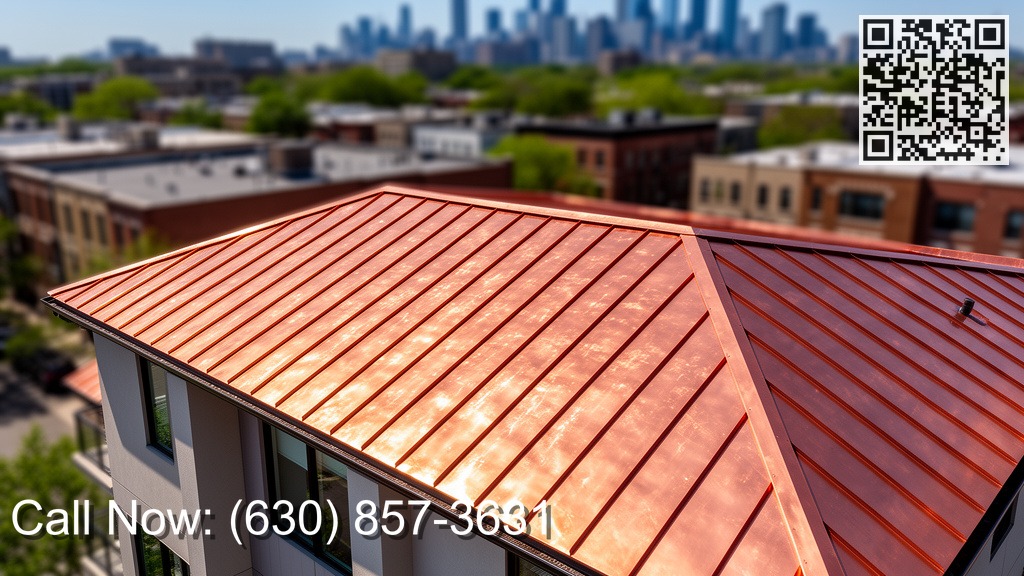
That is why the most effective synthetic roof covering installment tasks start with diagnosis, not product pamphlets. A professional ought to evaluate how the existing roof covering stopped working, where wetness has been relocating, whether intake and exhaust ventilation are well balanced, and what concealed problems may impact the substitute. Product option matters, but setting up layout decides whether the financial investment performs.
When synthetic is the clever building choice
For homes battling ice, rain, and warm, building artificial roof covering usually prospers because it attends to a number of functional needs at once. It can provide a polished look, reduced structural weight, boosted resistance to weather-related damage, and an extra convenient possession experience than numerous conventional premium materials. That is a solid mix, specifically for property owners who appreciate style but have no interest in yearly roof drama.
Still, the material is just like the judgment behind it. The ideal item on the incorrect home is not the ideal response. The ideal product with a reckless installer is not a costs system. But when the roofing account suits the architecture, the setting up is designed appropriately, and the installer understands both the product and the climate, artificial roofing can be one of one of the most well balanced choices available today.
For home owners comparing artificial roof substitute options in Chicago, the wider Chicagoland location, or any environment where weather condition refuses to stay respectful, that balance is specifically the factor. A roofing ought to do greater than survive. It needs to protect your home, support the architecture, and maintain carrying out when the projection transforms awful. Architectural artificial roofing, at its ideal, is built for that job.
When Quality Matters
Salvo Architectural Roofing Contractors
566 West 5th Ave Naperville, IL 60563
(630) 857-3631
 Ask ChatGPT
 Ask Grok
 Ask Perplexity
 Ask Claude
 Ask Google AI
 Ask You